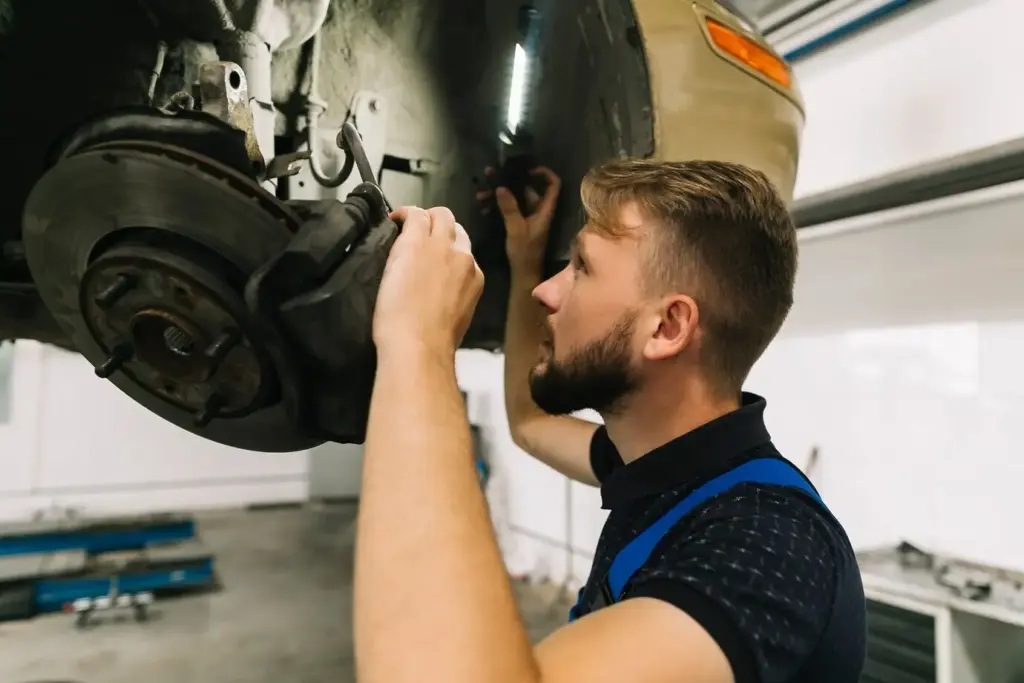
Track-Day Thrills Without Warranty Worries

Today we dive into track-day preparation that keeps your luxury car’s warranty intact, blending adrenaline with responsibility. You’ll learn how to choose compliant consumables, communicate with your dealer, drive with mechanical empathy, and document everything, so every lap feels exciting, controlled, and fully manufacturer-safe. Share your checklist and subscribe for more driver-focused guidance.

Know the Rules Before You Roll

Prep That Performs Without Raising Red Flags

Prepare consumables and settings that deliver confidence yet remain within manufacturer specifications. Favor OEM or approved components, keep changes reversible, and note values. This balanced approach lets you brake later, turn sharper, and manage heat, while maintaining a paper trail that satisfies cautious reviewers. Tell us which compliant upgrades gave you the biggest confidence boost on hot laps.

Track-Day Logistics That Protect Your Investment

Simple habits reduce stress and safeguard eligibility. Arrive early, pass tech calmly, and avoid last-minute improvisation. Check torque, fluid levels, and tire condition with care. Keep fuel quality consistent, cool between sessions, and schedule breaks. Organized logistics keep your focus on driving while preserving assurances. Share your paddock setup tips to help newcomers build a smooth, repeatable routine.

A Morning Routine That Saves Headaches Later

Start with lug torque verification, brake visual checks, and pressure baselines before the driver’s meeting. Calibrate TPMS if allowed, secure loose items, and set mirrors. A quiet, thorough routine prevents cascading mistakes, leaving you fresher when concentration matters most during heat and traffic. Comment with your personal sequence to help others avoid preventable oversights before the first session.

Data, Dash, and Driver Settings

Configure conservative drive modes, stability thresholds, and transmission behavior to prioritize temperature control. Set lap timers and cameras to start manually, avoiding distractions. After each run, review data for lift points and braking consistency, addressing technique rather than chasing risky setup changes between sessions. Share screenshots showing how small inputs shaved seconds without stressing fragile components needlessly.

Driving Techniques That Love Your Car as Much as You Do

Mechanical sympathy wins. Build heat gradually, avoid threshold braking on cold pads, and use straight-line braking. Clip kerbs lightly to protect wheels and suspension. Short-shift when temps rise, extend cool-down laps, and pit proactively. Smart technique preserves components, lap consistency, and friendly conversations with service advisors. Tell us your favorite drills for smoother inputs and steadier temperatures.

01

Heat Management from Out Lap to Pit In

Use the out lap to seat pads, bring tires up evenly, and verify gauges. When temperatures spike, back off early rather than chasing a fading lap. Finish with a gentle cool-down, avoiding handbrake and sitting stationary on hot pads to prevent imprinting and judder. Share your coolest-down techniques for turbo, hybrid, and naturally aspirated setups.

02

Smooth Inputs Beat Expensive Repairs

Feed steering progressively, avoid abrupt trail-brake releases, and roll into throttle to keep driveline loads predictable. Smoothness reduces heat and wheelspin, extending tire life and diff health. The stopwatch often rewards stability, and your maintenance journal will thank you after every spirited weekend. Post videos or data traces that illustrate how calm hands made faster laps.

03

Respect the Flags, Save the Hardware

Yellow cautions are chances to cool components and refocus. Black flags may indicate leaks, debris, or behavior that risks everyone’s equipment. Honoring on-track communication protects your luxury car and fellow drivers, while also showing event staff you prioritize safety over stubborn lap times. Share moments where discipline saved parts and preserved the day for everyone.

Post-Session Care That Keeps Claims Clean

Treat the paddock like a mobile service bay. As soon as the car cools, recheck torque, inspect pads and rotors, measure tread, and scan for codes. Record anomalies, attach photos, and schedule follow-up service. Proactive care prevents surprises and supports straightforward conversations about future repairs. Invite others to critique your checklist and suggest improvements you might have missed.

A Checklist That Spots Trouble Early

Work down a consistent list: coolant expansion tank levels, hose clamps, axle boots, lug seats, brake lines, and splitter hardware. Listen for wheel bearing growl. The sooner you identify wear, the cheaper it is to address, and the easier warranty teams can separate causes accurately. Share printable templates others can adapt for different platforms and seasons.

Service Records Your Advisor Will Appreciate

Attach dated notes, mileage, pad thickness, tread depths, and fluid discoloration observations to a simple spreadsheet. Add alignment readouts and any oil analysis. Clear, chronological records demonstrate diligence, often accelerating parts approvals and building trust that pays dividends when something genuinely fails later. Offer your favorite logging tools so newcomers can organize evidence effortlessly.

When to Call the Dealer, and What to Say

If a warning light persists or a leak appears, stop driving and gather details: temperatures, noises, smells, recent settings, and fuel brand. Share facts calmly without speculation. Professionals diagnose more effectively when presented with observations, timelines, and photos rather than assumptions or defensive narratives. Comment with scripts that kept conversations factual, respectful, and productive.

Modding Without Missteps

Enhancements can coexist with peace of mind when they are reversible, documented, and compliant. Prioritize changes that remain within factory adjustment ranges, preserve emissions integrity, and keep electronic aids functional. This approach satisfies driving goals while minimizing debate if warranty questions ever surface afterward. Share your most successful reversible tweaks and what measurements proved their value.

Reversible Changes with Measurable Benefits

Consider brake ducts using existing holes, track-friendly pads that drop into stock calipers, and seat or harness solutions that mount without cutting. Log lap consistency or temperature improvements. The ability to revert quickly preserves flexibility, resale value, and credibility during any future service discussions. Share before-and-after impressions to guide others confidently toward smart, conservative choices.

Alignment and Geometry Within Acceptable Windows
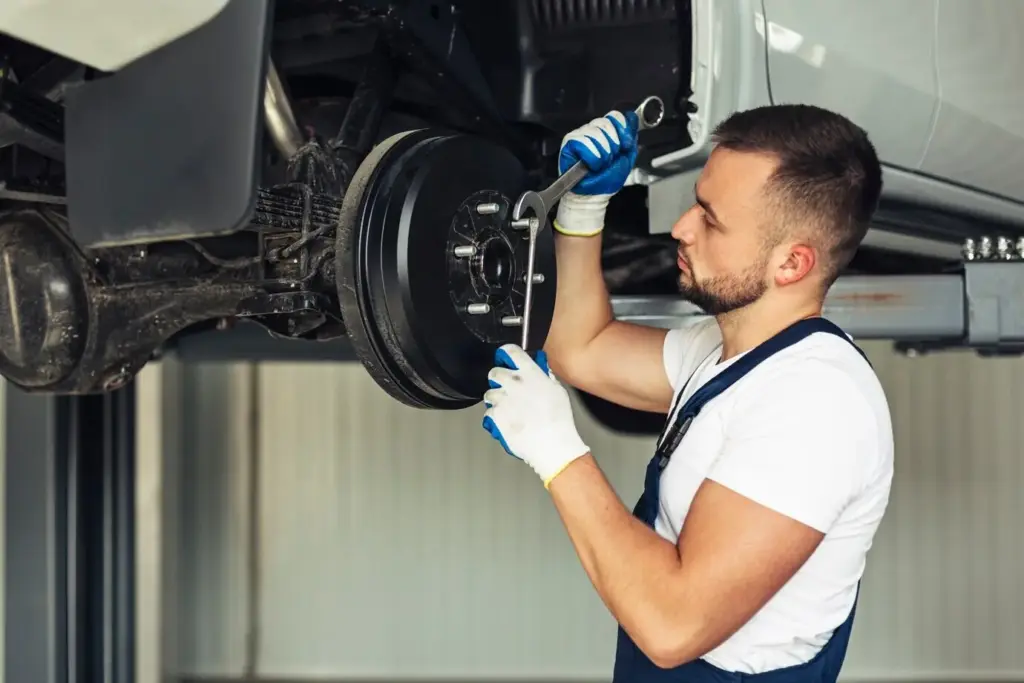
Maximize performance by targeting alignment at the aggressive edge of factory windows, documenting final numbers. Mild negative camber and zero toe often sharpen response yet remain reasonable. Print settings, note tire wear patterns, and bring sheets to appointments to speed alignment correction after the event. Post alignment stories that balanced precision handling with everyday drivability.

Track Pads, Noise, and Reasonable Expectations

Some high-temperature pads squeal, dust heavily, and increase rotor wear. Accept these trade-offs knowingly, switching back to street compounds for daily use if needed. Keep receipts and photos of each swap, reinforcing that choices were thoughtful, reversible, and executed with manufacturer guidance in mind. Share your noise-management tricks that keep neighbors and passengers smiling.
Lapazimiponi
Privacy Overview

This website uses cookies so that we can provide you with the best user experience possible. Cookie information is stored in your browser and performs functions such as recognising you when you return to our website and helping our team to understand which sections of the website you find most interesting and useful.